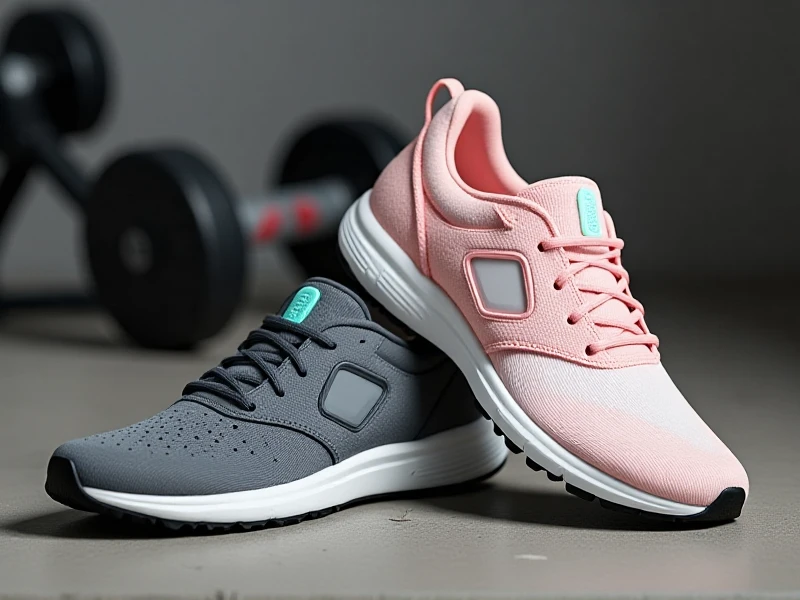
Find Your Best Fit: The Ultimate Guide to Men's Running Shoes
Here's the SEO-focused article targeting "Men's Running Shoes":
Selecting the right pair of men's running shoes isn't just about style; it's fundamental for comfort, performance, and injury prevention. Whether you're training for a marathon, hitting the local trails, or enjoying a daily jog, getting the perfect fit and support makes all the difference. Let's explore how to make the best choice for your feet and running goals.
Know Your Foot Type & Gait The most crucial step is understanding how your foot moves. Do you pronate (roll inward excessively), supinate (roll outward), or have a neutral gait? Visiting a specialty running store for a gait analysis is highly recommended. This analysis helps determine the level of stability or motion control you might need. Stability shoes offer support for mild to moderate pronators, while motion control is for severe pronation. Neutral-cushioned shoes suit runners with neutral gaits or supinators.
Consider Your Running Surface Where do you primarily run?
- Road Running Shoes: Built for pavement and packed dirt. They are generally lightweight, flexible, and offer solid cushioning to absorb the repeated impact on hard surfaces. Perfect for sidewalks, treadmills, or asphalt paths.
- Trail Running Shoes: Designed for off-road adventures. They feature more aggressive tread (lugs) for superior grip on mud, rocks, and uneven terrain. Often include rock plates for underfoot protection and enhanced durability against abrasion. May offer waterproofing.
- Cross-Training/General Use: While some cushioned, neutral trainers can double-duty for gym workouts, specific cross-trainers often have flatter soles for better stability during lateral movements.
Prioritize Fit & Feel A shoe that fits poorly will derail your run quickly. Remember:
- Toe Space: There should be about a thumbnail's width (roughly half an inch) between your longest toe and the end of the shoe. Feet swell during running.
- Width Matters: Many brands offer wider or narrower options (D-standard, 2E-wide, 4E-extra wide). Don't squeeze wide feet into standard shoes. Pinching leads to blisters and black toenails.
- Heel & Midfoot: The heel should fit snugly without slipping, and the midfoot (arch area) should feel secure, not pinched or too loose. Lacing techniques can fine-tune this fit.
- Comfort is Crucial: Try on shoes later in the day (when feet are largest) and always wear running socks. Walk or jog around the store. If it doesn't feel amazing instantly, it likely won't get better.
Modern Features for Enhanced Performance Today's men's running shoes incorporate advanced tech:
- Improved Cushioning: Foam technologies (e.g., EVA, PU, TPU blends) provide responsive, durable, and lightweight shock absorption.
- Breathability: Engineered mesh uppers allow for ventilation and help keep feet cool and dry.
- Lightweight Materials: Minimize the energy cost of lifting your feet with each stride.
- Durable Outsoles: Carbon rubber or blown rubber compounds offer wear resistance and reliable traction.
- Rockered Soles: Promote smooth heel-to-toe transitions.
Replacing Your Shoes Don't wait until they're falling apart. Replace your men's running shoes every 300-500 miles (or sooner if you feel decreased cushioning, joint pain, or visible wear). Worn-out shoes lose their shock absorption, increasing injury risk.
Finding your ideal men's running shoes takes a little research and trying, but it's an investment in your health and running enjoyment. Understand your needs, prioritize fit above all else, and experience the difference the right pair makes every step of the way. Ready to upgrade? Explore the latest innovative designs built to support your runs.
Ready to hit your stride? Browse our curated selection of top-rated men's running shoes today!