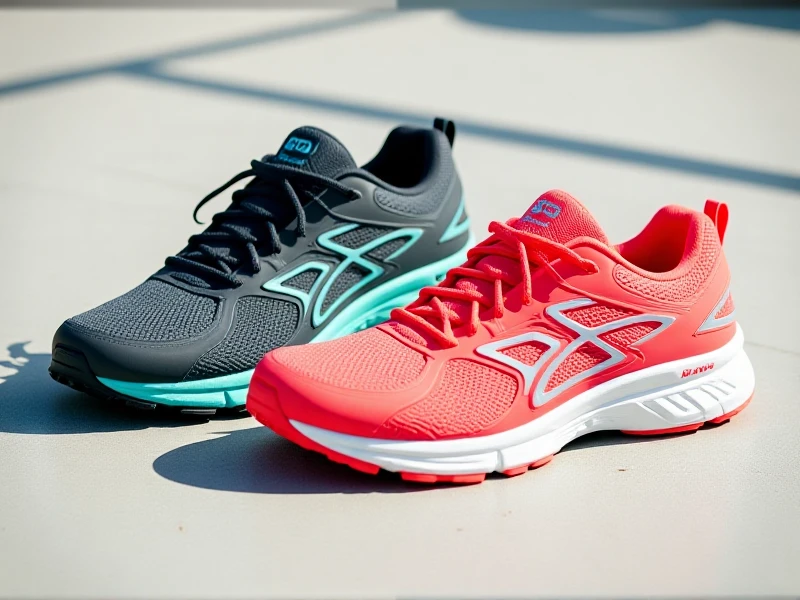
Perfect Pair: How to Choose Women's Running Shoes for Optimal Performance
Here is an SEO-optimized article on Women's Running Shoes:
Finding the perfect pair of running shoes is crucial for every female runner, whether you're hitting the pavement daily, training for your first 5k, or tackling marathon distances. The right pair of women's running shoes enhances performance, provides essential support, and significantly reduces the risk of injury. Here’s what to consider when searching for your ideal athletic footwear.
First, understand your foot type and gait. Your running mechanics significantly influence the kind of shoe you need. Visit a reputable running store for a gait analysis. Professionals can determine if you overpronate (foot rolls inward excessively), underpronate (foot rolls outward or has minimal inward motion), or have a neutral gait. High-stability shoes control overpronation, neutral-cushioned shoes suit neutral strides, and flexible cushioned options with greater shock absorption are best for supinators (underpronation).
Next, prioritize comfort and fit above everything else. Women's running shoes are specifically designed for the female foot shape, which tends to be narrower in the heel and wider at the forefoot than men's. Ensure there's about a half-inch of space between your longest toe and the shoe end (roughly a thumb's width). The heel should be snug but not tight, preventing slippage. The midfoot should feel secure yet comfortable. Always try on shoes in the afternoon when feet are naturally a bit larger, and wear the running socks you intend to use.
Consider the cushioning level based on your preferences and mileage. If you prioritize a light, responsive feel or run shorter distances, lighter cushioning might suit you. For longer runs, high-mileage training, or joint comfort, maximal cushioning offers enhanced impact absorption and protection. Brands continuously innovate with materials like plush foams, gel inserts, and air pockets to maximize comfort and energy return.
The shoe's weight and responsiveness matter significantly. Lighter models can feel like an extension of your foot, promoting a faster cadence. However, extra lightweight often means reduced cushioning and durability. Heavier shoes offer more cushioning and structure but may feel cumbersome for speedwork. Match the shoe's weight and design to your primary running style and terrain – road runners, trail runners, and those focused on racing or speedwork have specialized needs.
Don't underestimate traction and durability. Look for durable rubber outsoles, especially on high-wear areas like the heel and forefoot. Flexibility in the forefoot allows for a natural toe-off, while adequate grip is essential for varying weather conditions and surfaces. Rotating between two pairs of women's running shoes can extend the lifespan of each pair, as the midsole foam has time to decompress between runs.
Selecting the best women's running shoes is an investment in your running journey and overall fitness. By focusing on your unique gait, prioritizing exceptional fit and comfort, and matching the shoe's cushioning, weight, and purpose to your needs, you'll run stronger, feel better, and enjoy every step towards your goals. Step into your next run with confidence in the perfect pair!